

Behind the Story
With Ellis Elms


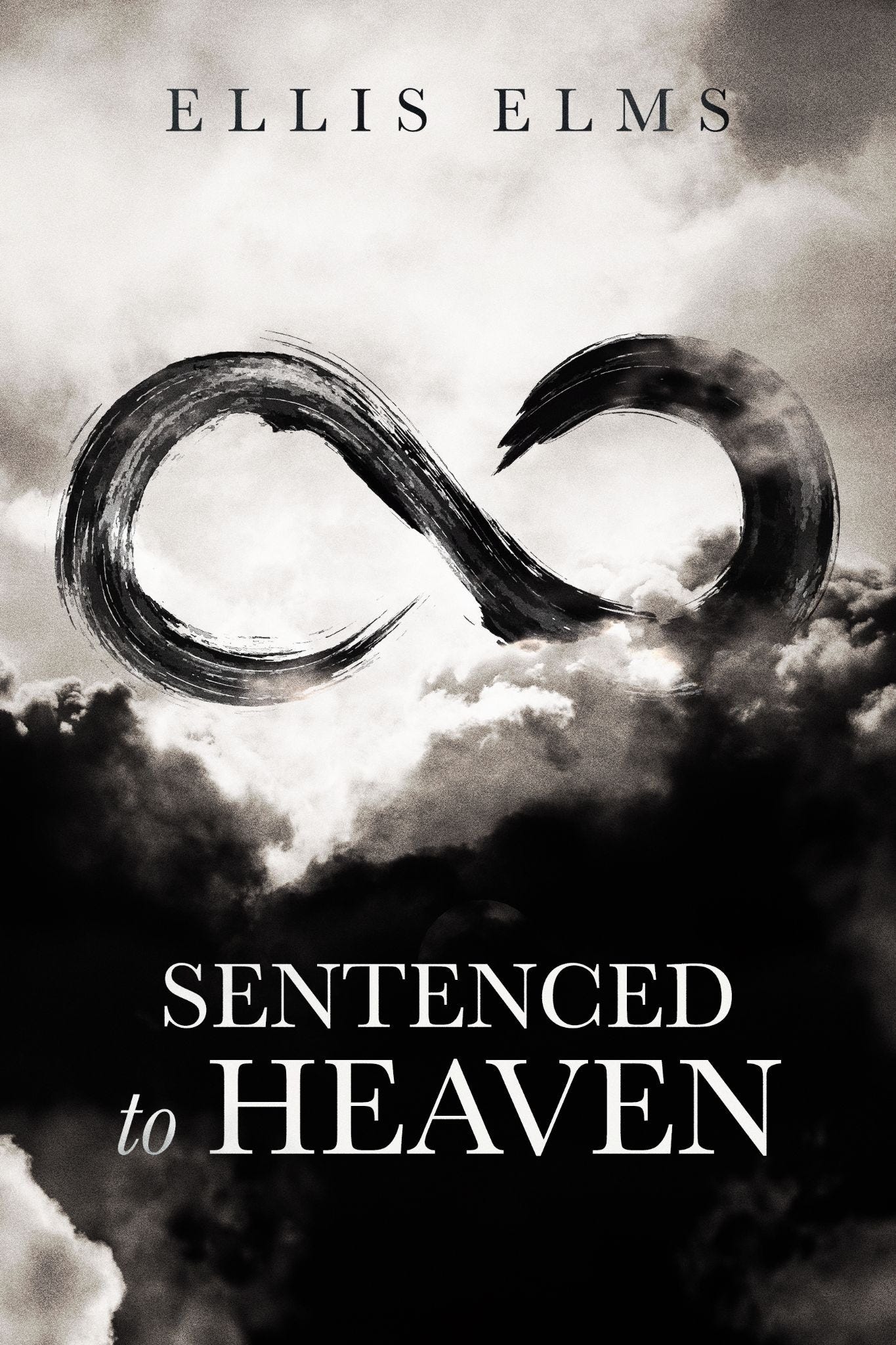
Ellis Elms doesn’t write fiction. He designs psychological traps and frames them as stories. What follows is a rare glimpse into how one of FicStack’s most quietly unsettling voices thinks about craft, complicity and the reader who never sees it coming.
Tell us about yourself! Where are you from? What do you do for fun? What might people be surprised to learn about you?
Ellis Elms is a pen name. I’d rather keep the rest vague. Deeper into the interview, it would become clearer as to why.
I’ve spent most of my adult life building businesses. “Making money for strangers,” as I like to say. Different countries, different languages. I stopped counting the languages at some point. It stopped being impressive and started being just normal for me. English is my third language, by the way.
Fun fact: I read things that irritate me. The news, for example, haha. I also love reading an occasional pointless internet argument. Gives me inspiration, I have to admit that.
What might truly surprise people is that I arrived at fiction through neuromarketing. I dedicated years to understanding how framing and word placement subconsciously influence feelings. I kept applying these insights to sentences, which gradually turned into stories. I’m not entirely sure I write fiction; instead, I see myself as designing small psychological traps and framing them as short stories.
We’ve featured both Flagged as 97% AI and One Person, One Vote, One Problem.
What sparked these stories? Was there a specific image, moment, or question that started them?
“Flagged” started with screenshots someone posted online.
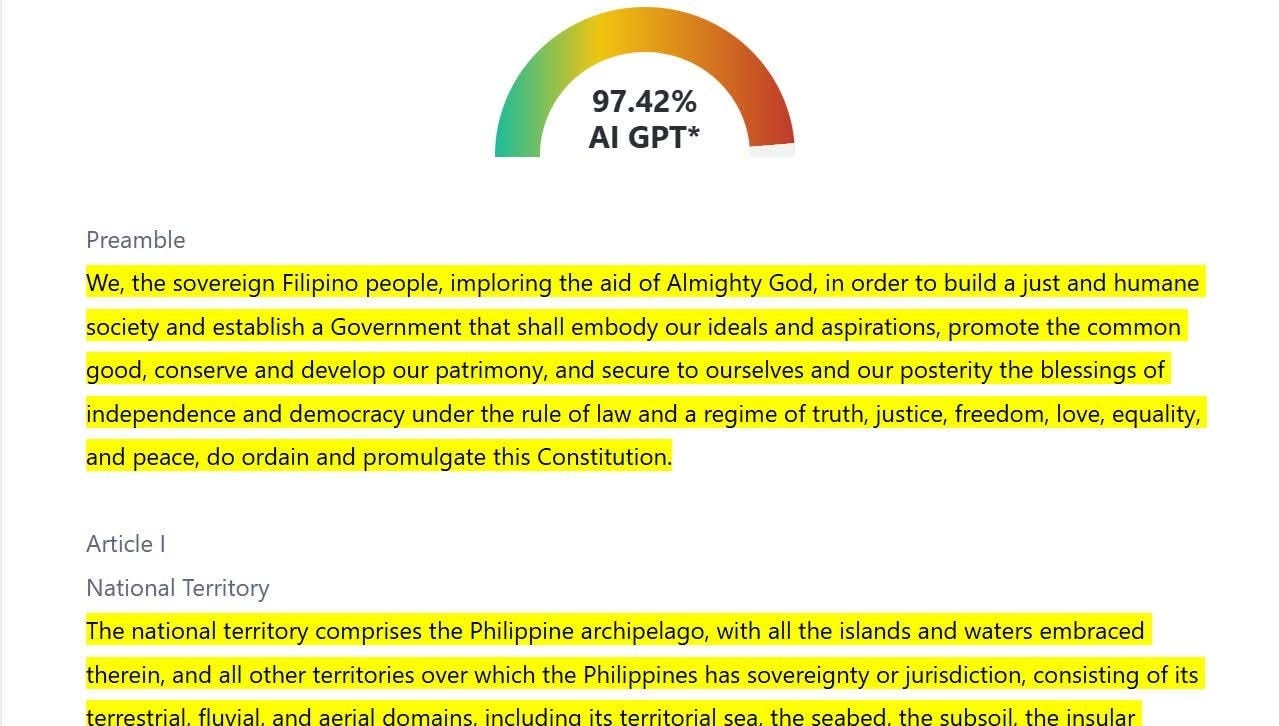
The Philippine Constitution checked through an AI detector — 97% AI.
Then, Mary Shelley’s Frankenstein (published in 1818, mind you).
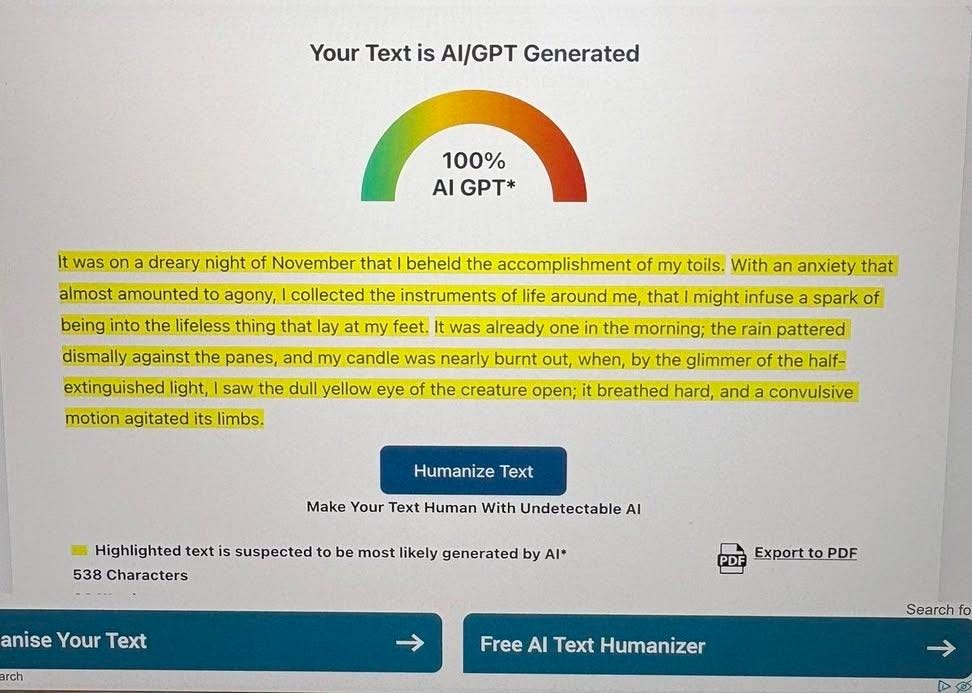
100% AI. And at the bottom of both results, a button: “Humanize Text.” Same company. I didn’t invent anything. I just followed it forward to see where it ended, which turned out to be Brandon Choi, working for $34,000 a year at the company that destroyed his thesis.
“One Person, One Vote” had a longer fuse. Years ago, one of my sons came home from school and announced that democracy was a flawed model. I asked why. He said, “An idiot’s vote counts the same as a smart person’s vote,” and then he paused. For emphasis, I think. “And there are far more idiots.”
I agreed immediately, as it made perfect sense. That line sat with me for years. Amber Sutton is what finally grew around it. She’s not the idiot in the story. She just finds out she’s closer to one than she thought.
What were you exploring or working through in these pieces? What questions were you asking? What do you hope readers take away from these stories?
What I hope readers feel, not take away, is complicity. Brandon pays $49.99 to the company, ruining him. Amber votes to destroy the mirror because she hates what it showed her. By the time you realize you’re inside the trap, you’ve already helped build it.
What does your writing process look like? Do you outline, or discover as you write?
It all starts with an idea. Specifically, with knowing two things: the message and the ending. How it begins and how it lands. The middle is construction — I call it the hook, the line, and the sinker. The hook is the title, the opening, something that pulls you in. The line is where the readers start aligning with the characters without realizing what they’re walking into. The sinker is when it flips. By the time it does, you’re already in the water.
The ending occasionally changes. Rare, but it happens.
What are you working on now? Anything readers can look forward to?
Right now, I’m working on too many things simultaneously, which I wouldn’t recommend. Call Me Moby is a retelling of Moby-Dick from the whale’s perspective — that one lives on Substack as a serial. The Artificial Quill and Subscribers Only are my two full-sized debut novels, both in the final polishing stages. I’ve also started Canceled—my third novel— and the first chapter is sitting in a competition right now; more for breathing space than any real expectation of winning. I never win anything. Too uncomfortable, probably. But this year should be a good one for readers who like my prose. At least three books are coming. Maybe four, if enough people convince me to publish Call Me Moby as a book, too.
What has fiction writing given you that you couldn’t find any other way?
Fiction gave me validation — and I mean that in the least embarrassing way possible. I’ve outgrown the kind that needs external confirmation. What I haven’t outgrown is imposter syndrome. It arrived the day I finished my first full manuscript and hasn’t left since. That quiet, stupid voice: you have to be born a writer. You don’t have an MFA, so you’re not the real thing. Honestly? Nobody cares about the MFA anymore. That ship sailed when self-published authors started hitting bestseller lists and getting adapted. The credential stopped being the gate.
Why did you choose Substack for your fiction?
Substack is a testing ground. I test writing, range, and topics that will eventually become books — so far, there’s a list of 10 planned. Most people here are chasing subscriber counts. I’m not. I learned from business that ten people who genuinely love your product are worth more than a hundred who picked it up and put it back down. I’m after the ten. Someone subscribes — fine. Someone unsubscribes — also fine. Uncomfortable Fiction was never going to have the fanbase of a gay dragon who sexually abuses humans. I made my peace with that early.
What’s one piece of advice you’d give to emerging fiction writers?
One piece of advice, offered with full awareness that I’m still a speck of dust in the literary world: never accept critique from people you wouldn’t take advice from. Sit with that for a moment.
What should readers experience next?
Ego Is The Enemy by Ryan Holiday. It’s a non-fic, which might come as a surprise, but then it shouldn’t if you’ve read the interview carefully, not skimmed through it. But the title speaks for itself. If people would genuinely understand the message, we’d all live in a better world right now.
Discover Ellis Elms on Substack.
Featured stories: Flagged as 97% AI & One Person, One Vote, One Problem.
FicStack.com is an opt-in, searchable index of fiction and poetry newsletters on Substack. Authors submit their publications, and we organise their posts so you can actually find something you want to read. To date we have over 37,000 posts listed, across fiction and poetry.
To submit your publication for indexing, click HERE.
 | A guest post by
|
 | A guest post by
|
 | A guest post by
|
 | A guest post by
|
 | A guest post by
|
 | A guest post by
|
"By the time you realize you’re inside the trap, you’ve already helped build it."
Ellis, it was such a pleasure putting this together. Thank you for letting us in.